Preventative Dentistry in Hartford, CT
Preventive dental care is the key to excellent oral health. It’s easy to take for granted what it means to have healthy teeth when you’re not having any problems. But when something does go wrong, you suddenly realize how much a healthy smile contributes to your overall confidence and even quality of life.
Knowing that your teeth are healthy and look their best goes a long way toward improving your self-confidence and feelings of well-being. You probably don't think about it much, but your teeth support your lips and cheeks and give your face a full, rounded, youthful look. Healthy teeth also allow you to chew the foods you love and communicate clearly with others. Most importantly, though, a beautiful smile conveys warmth and friendliness.
The Preventive Dental Exam
Our exams focus on your entire mouth so we can detect problems that may be developing, like cavities, gum disease, and even early signs of oral cancer. If you’re a new patient, we’ll take the opportunity to talk to you to learn more about your dental health priorities and how we can help you achieve your goals in a way that makes sense for you.
The Importance of Professional Dental Cleanings
Even if you’re diligent about your family’s oral hygiene, you still need regular professional dental cleanings to completely remove the buildup of plaque and tartar on your teeth. At JP Dental, we follow the guidelines set by the American Dental Association (ADA) and recommend that you schedule semi-annual cleanings for you and your family. This timing helps ensure that we catch gum disease in its earliest stages before it does significant damage to your teeth and gums.
We have all the preventive tools necessary to help you, but achieving great oral health also requires a commitment on your part. Obviously, preventive procedures such as exams
and professional cleanings are important. But for any dental treatment plan to be effective, you need to do your part by following proper oral hygiene and dietary habits at home. During your cleanings, your hygienist will be happy to show you the proper ways to brush and floss so you can be sure you're getting the most out of your daily routine.
Preventive Treatments to Fit Your Needs
In addition to exams and professional cleanings, we can take other steps to make sure your family’s teeth are as healthy as they can be.
Dental Sealants
Dental sealants are another important preventive tool. When applied to areas of the teeth like the uneven surfaces of molars, they provide protection against decay. Sealants are also appropriate for children to keep their teeth healthy.
Fluoride Treatment
During our conversations with you, we may also find that a fluoride application would be appropriate. Fluoride is important for keeping your family's teeth healthy and strong. It’s available through toothpaste and mouth rinses, as well as topical applications in the dental office. Tap water is another convenient source of fluoride.
Please Give Us a Call to Arrange an Appointment
The time to take steps to protect your oral health is sooner rather than later. If it’s time for your next routine checkup, please give us a call!
Frequently Asked Questions
The difference between brushing and cleaning your teeth on your own and getting a cleaning done at a dental office is that some of the areas that are not reachable with a regular brush can be cleaned by hygienists. Hygienists use instruments called scalers that scrape the surface between your teeth. They also use a tool called cavitron, which is an ultrasonic scaler that uses high frequency vibrations and water to clean the teeth effectively. As a last step, they polish the surface of the teeth to make sure any remaining plaque are not left over on the surface of teeth.
When you are done with the cleaning, you will leave the office feeling fresh and clean. Great tips are also offered on how to do a better cleaning at home.
You should brush minimum twice a day, one in the morning and one before going to bed.
If you belong to any of the following category you should brush more than twice a day:
1. You drink a lot of energy drink, fruit juice, seltzer, coffee, and anything that is not water.
2. You have a lot of restorations in your mouth such as fillings, crowns, bridges and any dental work that makes your brushing difficult.
3. You have a gum disease, specifically periodontitis where you have lost some bone around the teeth. You have a lot of pockets around your teeth where germs and plaque can get stuck and grown.
4. You have a dry mouth. If you have this, you should brush every time you eat anything because all the food that you eat sticks to your teeth causing cavities and inflammation.
5. You sleep your mouth open at night. Sleeping with your mouth open can cause a change in natural bacteria, leading to cavities and gingivitis.
Yes, gingivitis is very much curable with proper brushing habit and a healthy diet.
Gingivitis is simply caused when teeth are not cleaned on a daily basis. When plaque builds up over time in the mouth, they turn into something called calculus or tartar that sticks to the teeth. The best analogy that can refer to are the barnacles stuck on the surface of the ship. Tartar can only be removed by a professional such as an hygienist with specific instruments called scalers.
After a professional cleaning, progressive healing should be observed over a few days. It is important that you maintain the daily habit of brushing and flossing twice a day to prevent gingivitis coming back again. Listerine mouth rinse and waterpik can be added to the oral hygiene regimens to keep the mouth healthy.
This is an important stage of the gum disease where with enough effort the disease can be reversed. When the oral health is ignored when there is active gum disease, it can turn into a oral disease called periodontitis which can sometimes cause permanent damage to the gums and the bone that is wrapping around the teeth. So, please don't forget to brush up today!
No, it is not.
It is extremely safe to taking x rays when performed properly.
It may actually be more dangerous not to take x rays in the long run because cavities that are between teeth are nearly impossible to detect without the x ray images. Patient may end up needing larger treatments such as root canal treatment or even extraction because cavities were not found when they were small.
We provide shield to cover your chest and your neck when taking x rays.
If you had a radiation therapy due to cancer, it is advised to perhaps skip the x rays for another visit to avoid overdose of radiation.
Teeth are not flat. They come with fissures, grooves, and pits.
Plaque loves rough surfaces. It sticks to the tooth surface wherever it can.
When you don't brush your teeth regularly, plaque settles down on one of those rough surfaces.
Bacteria within the plaque starts releasing acid to create cavities.
Sealant is applied to fissures, grooves and pits to prevent the cavities from starting.
It is easily performed on patient without anesthesia.
It is efficient. It is more affordable than other forms of treatment. It is a painless procedure.
If patient is prone to cavities, sealants are highly recommended.
Dental insurance usually covers entirely for children and young adults.
There will be a fee to get sealants done for adults.
Meet Our Doctors:
Dr. Paul Chung DMD
Dentist in Hartford CT
Dr. Paul Chung is originally from Northridge California. He graduated from University of Notre Dame in 2010. Dr. Chung continued his education at Tufts University School of Dental Medicine and graduated with ...
Dr. Jill Park DMD
Dentist in Hartford CT
Dr. Park received her bachelor's degree in Biology from University Massachusetts Amherst in 2008 and graduated from the dental school at Tufts University in 2012.
Dr. Park is an active member of :
-Academy ...
Featured Blog Posts - Preventive Treatments
The Evolution of Flossing Technology: A West Hartford Guide to Modern Oral Care
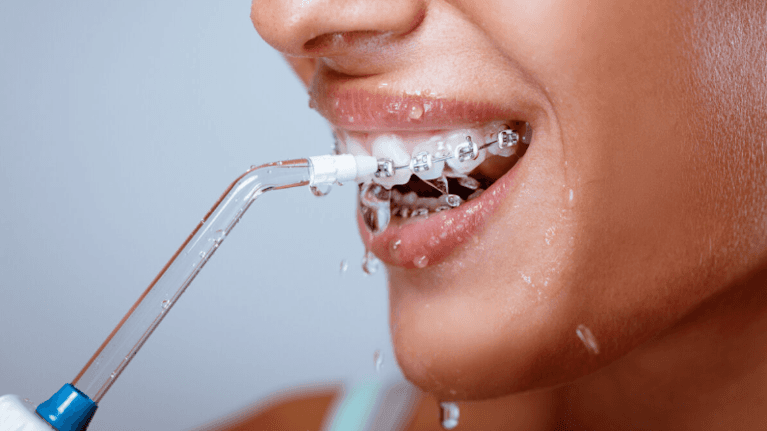
For residents of West Hartford, Connecticut, maintaining optimal oral health goes beyond regular dental checkups with your local dentist. While traditional string floss has been the gold standard for decades, innovative flossing technologies are revolutionizing how we approach interdental cleaning. From water flossers ...
Three Significant Oral Health Trends Affecting Connecticut Residents
The Rise of Seltzer and Carbonated Drinks in Connecticut
The growing popularity of seltzer and carbonated beverages across Connecticut has introduced new concerns for local dental health professionals. While often marketed as healthier alternatives to sugary sodas, Connecticut dentists are noting increased enamel ...
Depression, Social Media, and Oral Hygiene: An Emerging Concern
The relationship between mental health, particularly depression, and oral hygiene represents an increasingly recognized concern in dental healthcare. Social media's influence on depression and subsequent impacts on basic self-care routines like toothbrushing highlights an important intersection of psychological and dental health.